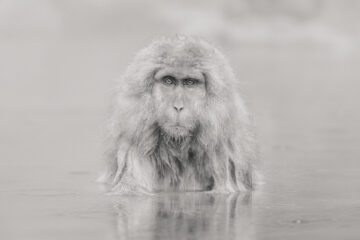
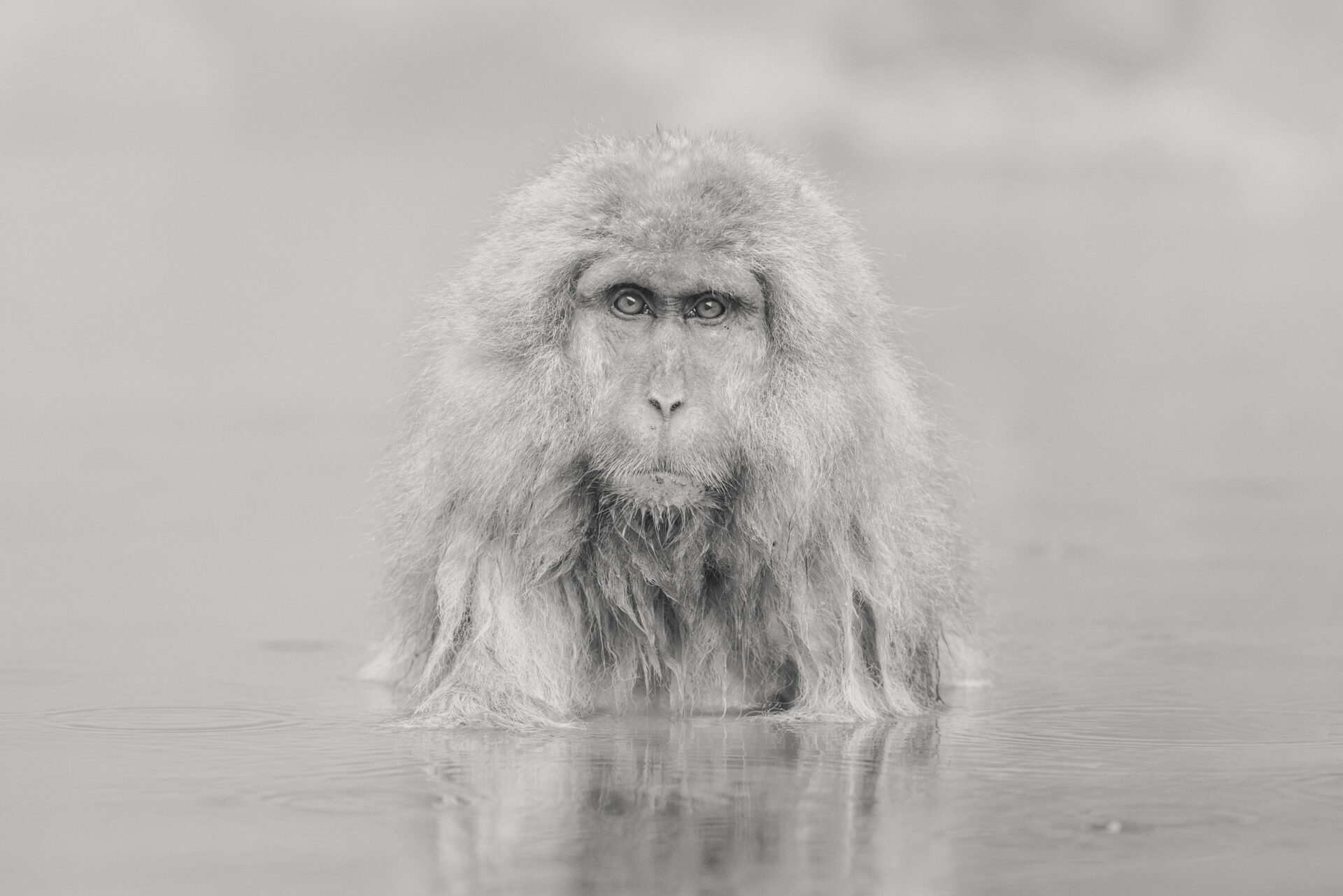


"Shinto is Japan’s oldest religion, with origins dating back to the tail end of the Stone Age. While many Japanese people do not consider themselves religious, a large percentage of the population still follows Shinto ideas today. You don’t have to venture far in the country to find one of its 80,000 shrines. They stand tall in quiet forests, over the water along the island’s coasts, and above rice fields. Shinto was not born from a specific founder or religious scripture—it lives within the people. It is not a defining characteristic—rather, it is a part of life. Personal virtues are emphasized over strict rituals or rules. Benevolence, harmony, courage, and gratitude all support the key theme of Shinto: the concept of purity, or harae. The religion holds that humans are inherently good and should cleanse themselves of moral and spiritual impurities. Followers strive to achieve makoto no kokoro—a heart of truth. You will see a version of this ritual at the entrance of shrines. Visitors gather at a water basin and use a wooden ladle to pour water over each of their hands. It's fitting that some of Japan’s animal residents appear to find their own quiet form of renewal in the mountains. For centuries, monkeys have appeared in Japanese folklore with a variety of meanings. They have been used as metaphors for tricksters and the negative traits of humans, but they have also served as sacred messengers to the gods. On this rainy morning in northern Japan, I observed macaques who seemed to embody both roles. There were the raucous individuals—screeching, pulling hair, and chasing others beside the hot springs—falling squarely into the trickster camp. But there were a few quieter, almost meditative monkeys who held eye contact with me or rested in the warm waters with their eyes softly shut. I like to believe they were the messengers."